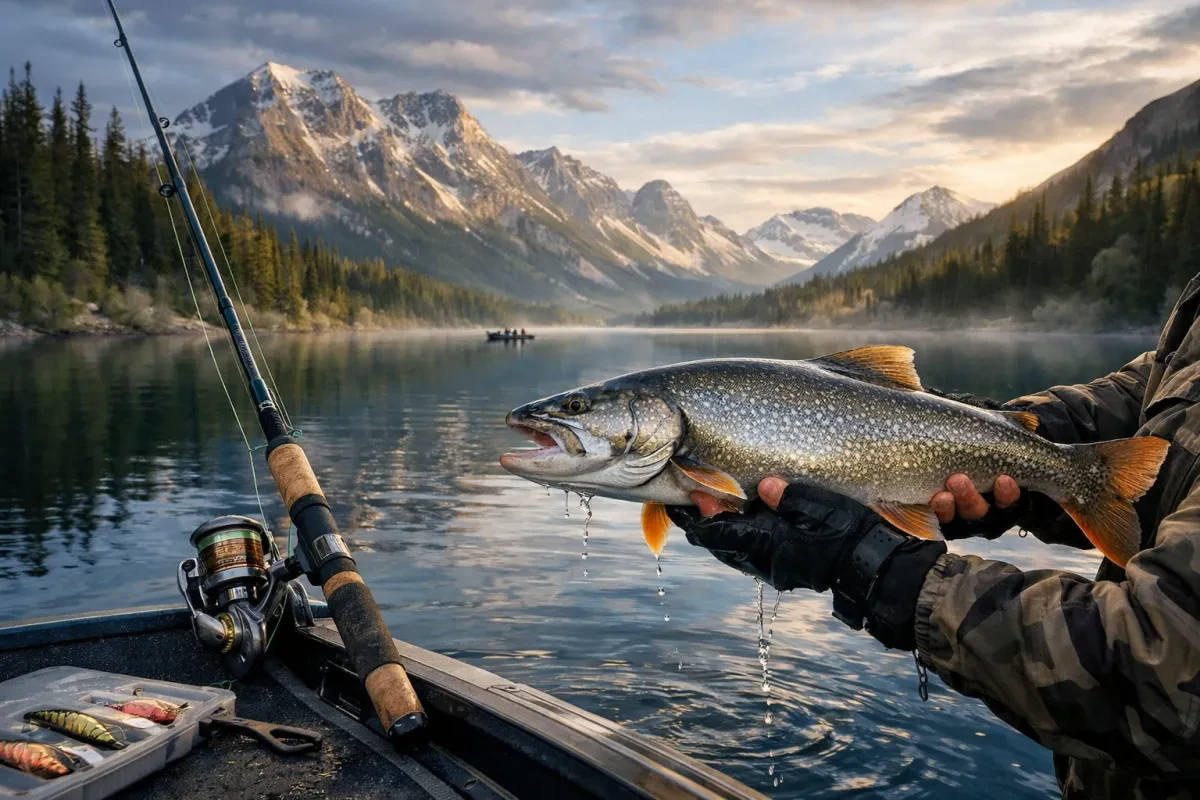
When you're setting out to catch lake trout, having the right gear is key. These fish can be a bit tricky to snag, but with the proper equipment, you’ll increase your chances of landing a big one. Let’s dive into the essential gear you need for a successful lake trout fishing trip.
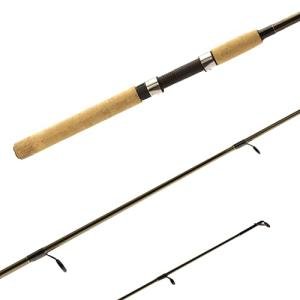
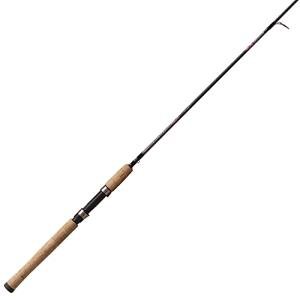
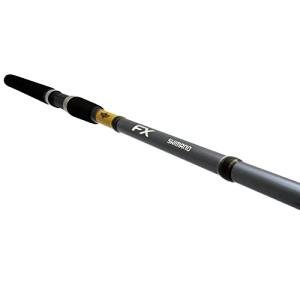
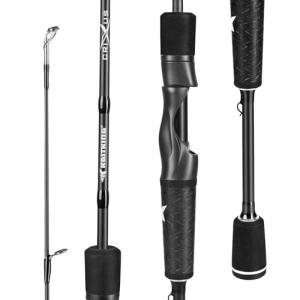
First off, a good fishing rod and reel combination is a must. Look for a medium to medium-heavy rod that’s about 6 to 8 feet long. This length gives you the reach you need while still providing control. Pair it with a spinning reel that has a smooth drag system. Trust me, you don’t want to lose that big lake trout because your reel snagged up.
When it comes to fishing line, go for something around 10 to 15-pound test monofilament or braided line. Monofilament offers some stretch, which is great when you’re fighting a feisty fish. Braided line, on the other hand, gives you that solid sensitivity and low visibility, perfect for lake trout. Whichever you choose, make sure you’ve got enough line on your reel so you’re ready for action.
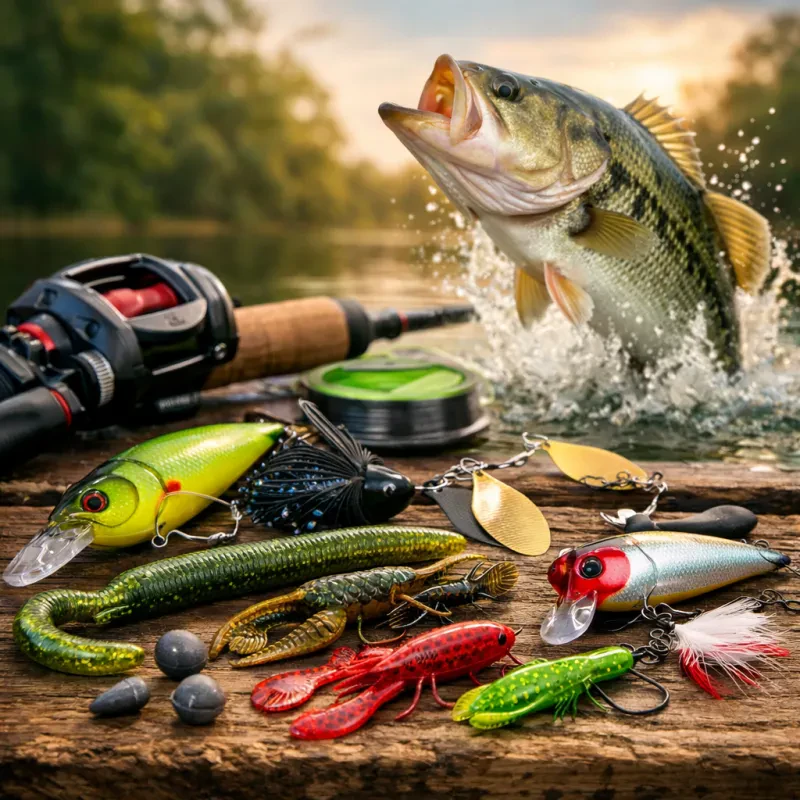
Don't forget about bait! Lake trout love to chase after live bait like minnows and shiners, but jigs and spoons can be super effective, too. Bright colors often draw their attention. Make sure to have a variety of lures on hand, because you never know what they'll go for on any given day.
Lastly, a good fish finder can be a real game-changer, especially if you’re fishing in deeper waters. Knowing where the school of lake trout is swimming can save you a lot of time and effort. Look for one that’s user-friendly and offers clear visuals. With the right gear and a little practice, you’ll be reeling in lake trout like a pro in no time!
Best Baits to Use for Lake Trout
If you're targeting lake trout, choosing the right bait is key to landing that big catch. Lake trout are known to be picky eaters, so it pays to have a variety of options. Here are some of the best baits you can use to entice these fish.
1. Live Bait: Nothing beats the allure of live bait for lake trout. Small minnows or chubs work wonders. Just hook them through the back or lips and let them swim. They look natural and attract lake trout like a magnet.
2. Spinners: If you prefer lures, spinners can be a game changer. They create a lot of flash and vibration in the water. Try colors like silver, gold, or bright patterns to catch the attention of lake trout, especially on sunny days.
3. Spoons: Spoons have been a go-to for many anglers targeting lake trout. Their wobbling action mimics injured fish. Go for a size between 1 to 2 ounces and opt for colors that imitate local bait fish. Silver, blue, and green often do the trick.
4. Jigs: Don’t underestimate jigs, especially in colder months when lake trout are lower in the water column. A simple jigging technique can lead to great success. Use a heavier jig to get to the right depth, pairing it with a soft plastic tail or a strip of bait.
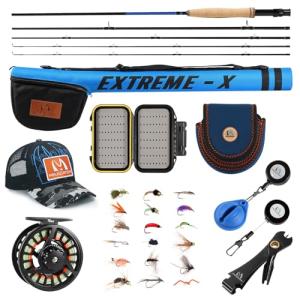
Maxcatch Extreme-X Fly Fishing Rod and Reel Combo
Get ready for your next fishing adventure with this top-quality rod and reel combo that delivers performance and durability on every cast
Product information
$114.95
Product Review Score
4.31 out of 5 stars
207 reviewsProduct links
Top Techniques to Reel in Lake Trout
When it comes to catching lake trout, having the right techniques can make all the difference. These fish are known for their elusive nature, but with a bit of strategy, you can increase your chances of landing a big one.
One of the best techniques is to go deep. Lake trout often hang out in deeper waters, especially during the warmer months. Try fishing at depths between 20 to 80 feet. Use a fish finder to locate schools of lake trout. Once you find them, drop your line and be patient.
Another effective method is trolling. This involves dragging your bait behind a moving boat. Choose lures that mimic the natural prey of lake trout, like spoons or swimbaits. Vary your speed and depth; sometimes a slow, steady retrieve works well while other times, a quicker pace might get their attention.
Don’t forget about jigging! Use heavy jigs and drop them to the bottom. Raise and lower your rod to create an enticing motion that lake trout can’t resist. Look for rocky areas or underwater structures where they might be hiding. This gives you a great chance to hook one when they come out to investigate.
Lastly, time your trips right. Early mornings and late afternoons are prime time for lake trout fishing. The cooler temperatures make them more active and likely to bite. Grab your gear and get ready for some action!
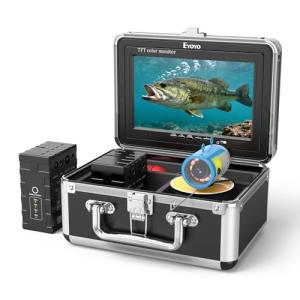
Eyoyo Underwater Fishing Camera 7 Inch: Ice Fishing Camera with 2 Batteries, Portable Fish Finder Waterproof 1000TVL Fishing Camera 12pcs Infrared Lights 15m Cable for Lake, Boat, Ice Fishing
Product information
$179.99 $170.99
Product Review Score
4.13 out of 5 stars
107 reviewsProduct links
Understanding Lake Trout Behavior and Habitats
Understanding lake trout behavior can make a big difference in your fishing game. These fish are typically found in cold, deep lakes, especially during the warmer months. They love cooler water, so look for them in the lower depths when the temperatures rise.
Lake trout tend to be active during the dawn and dusk hours. If you’re planning your fishing trip, aim for those early mornings or late evenings. That’s when lake trout come closer to the surface to hunt for food. They enjoy a diet of small fish, insects, and crustaceans, so consider using lures that mimic these prey.
When it comes to habitat, lake trout prefer rocky structures and drop-offs in lakes. These spots provide cover and easy access to food. Finding underwater structures like sunken trees or boulders can dramatically improve your chances of a catch. Using a fish finder can help locate these sweet spots quickly.
Temperature plays a key role too. Lake trout thrive in water temperatures between 45°F to 60°F. If the water is too warm, they’ll move deeper to find their comfort zone. Keep an eye on the temperature and adjust your tactics based on where the fish are hanging out.